Home / Blogs / All Blogs
All Blogs
Explore our complete collection of insights and articles
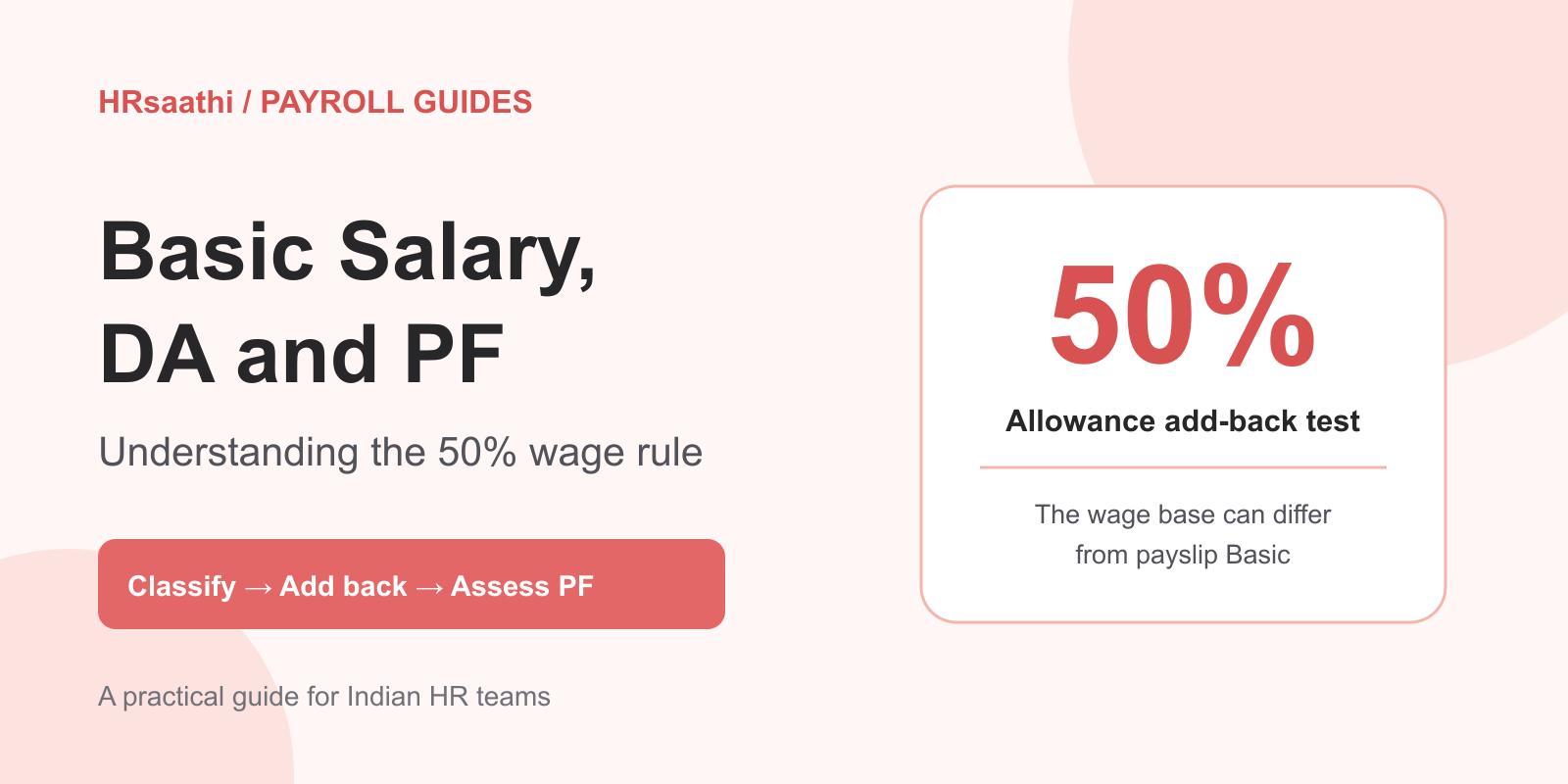
Basic Salary, DA and PF: Understanding the 50% Wage Rule
Understand the 50% allowance add-back, why Basic is not simply half of CTC, and how statutory wages relate to PF coverage and contributions.
Cheapest HRMS in India? How to Choose a Cost-Effective HRMS That Delivers Value
Searching for the cheapest HRMS in India is natural for startups and SMEs, but the better question is which HRMS gives the most value for your monthly cost. Here is a practical guide to choosing a cost-effective HRMS without compromising on core features.

Dearness Allowance in Private Companies: Meaning, 2026 DA Rate, and HRMS Payroll Guide
Dearness Allowance is a salary component used to offset inflation, but private companies in India do not have one universal DA percentage. Here is how DA works in 2026 and what HR teams should know before adding it to payroll.
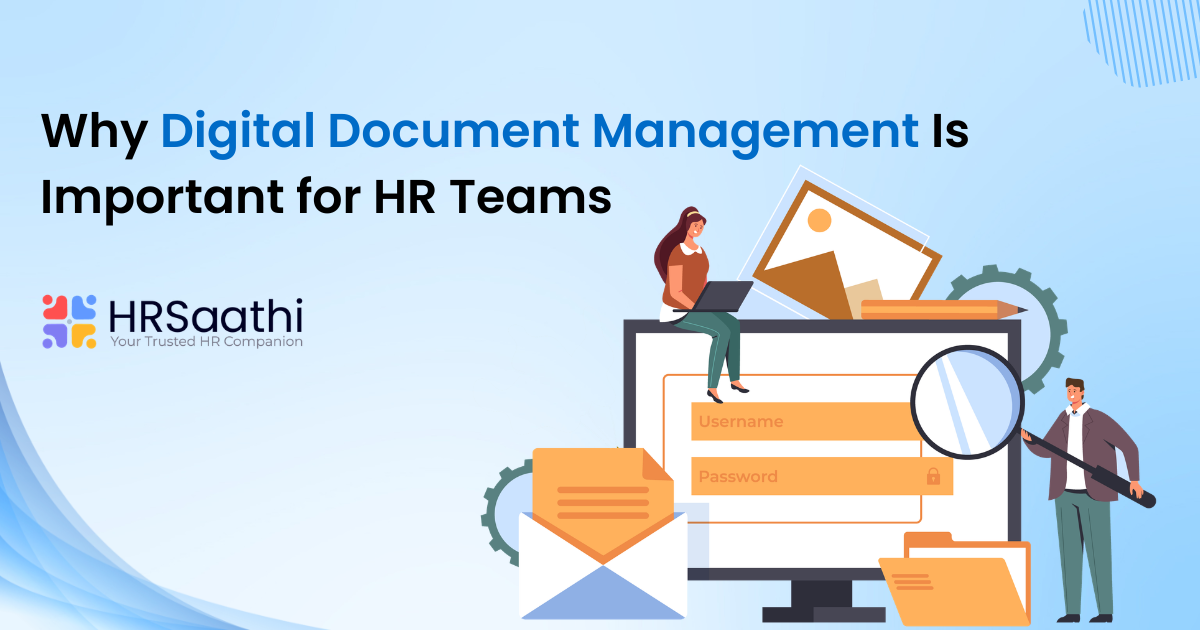
Why Digital Document Management Is Important for HR Teams
HR teams handle a large volume of documents every day, including employee records, offer letters, contracts, policy acknowledgments, salary documents, and compliance paperwork. Managing these documents manually through paper files or scattered folders can lead to inefficiencies, security risks, and compliance challenges.
Eliminating Reimbursement Fraud with Automated Approval Workflows
Reimbursement fraud is a common challenge for growing businesses. Manual expense approvals, paper receipts, and disconnected processes often create opportunities for duplicate claims, inflated expenses, and unauthorized reimbursements.
The Role of Self-Service Portals in Empowering Employees
Modern workplaces are becoming faster, more digital, and employee-driven. Employees today expect instant access to information and services without depending on manual HR processes.
HR in Your Pocket: Why Employees Love HRSaathi App
Modern employees expect workplace tools to be fast, simple, and mobile-friendly. Whether it is applying for leave, checking attendance, or downloading payslips, employees no longer want to depend on emails or manual HR processes.
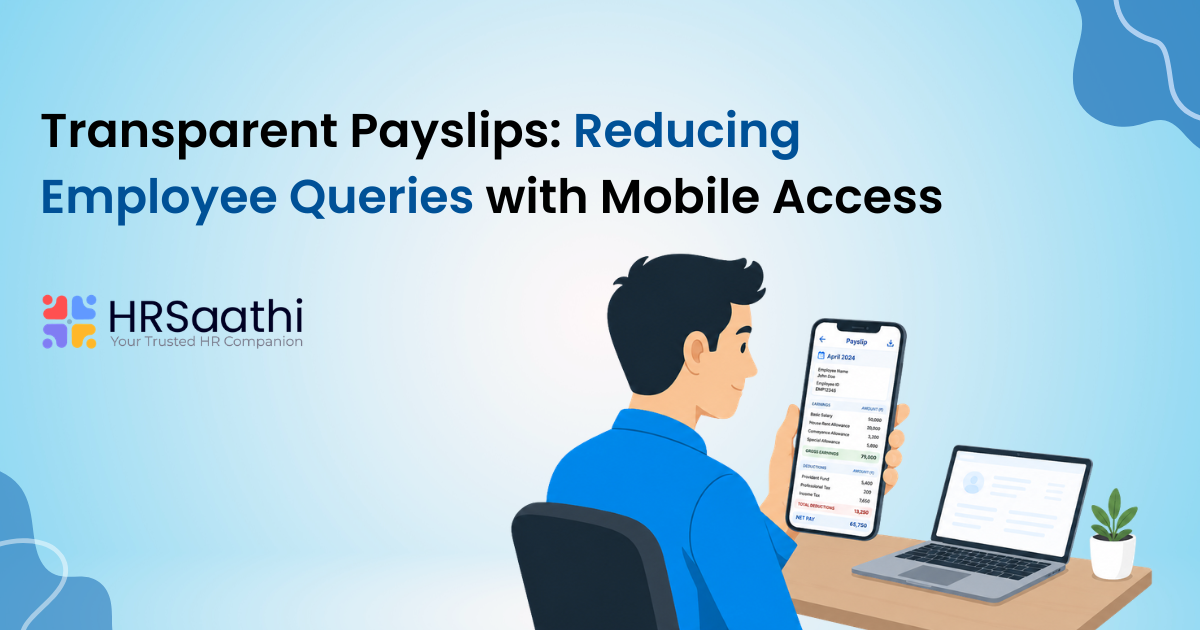
Transparent Payslips: Reducing Employee Queries with Mobile Access
Salary-related queries are one of the most common challenges HR teams face every month. Employees often have questions about deductions, bonuses, taxes, or net pay.
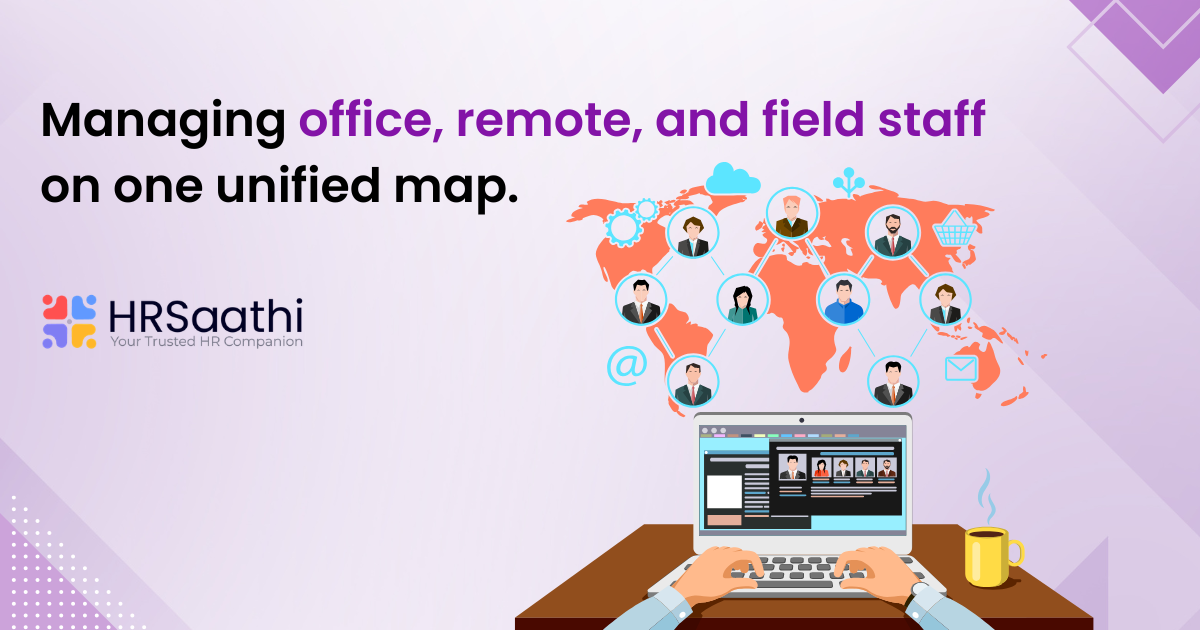
Managing Office, Remote, and Field Staff on One Unified Map
Managing a distributed workforce across office, remote, and field teams is a major challenge for growing businesses. A unified workforce system solves this by giving real-time visibility and control.
How Timesheets in HRMS Solve Major Time-Management Issues
Time management is one of the biggest challenges in growing businesses. Without proper tracking, teams lose productivity, projects get delayed, and payroll accuracy suffers. Timesheets within an HRMS bring structure, visibility, and accountability to how time is used across the organization.
Top Features to Look for in an HRMS in 2026
In 2026, an HRMS is no longer just for attendance and payroll. It has evolved into a data-driven, AI-powered system that helps businesses manage people, predict trends, and scale efficiently.
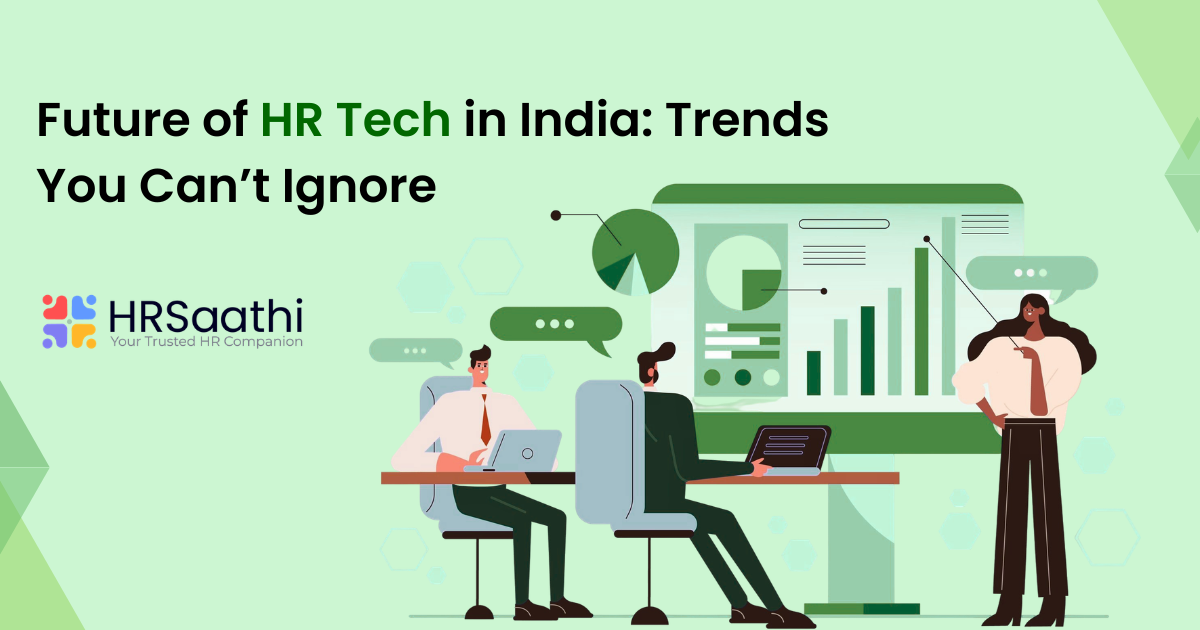
Future of HR Tech in India: Trends You Can’t Ignore
HR in India is no longer just about hiring and payroll. It is becoming a data-driven, AI-powered, strategic function that directly impacts business growth.
Real-Time HR Dashboards: What Every CEO Should Track
In fast-growing companies, decisions cannot wait for monthly reports. CEOs need real-time visibility into workforce data to make quick, informed decisions.
Employee Exit Management: Smooth Offboarding Process
Employee exits are a critical part of the employee lifecycle. Poor offboarding can lead to compliance issues, knowledge loss, and negative employee experience.
Sandwich Leave Policy: Meaning, Examples & Loopholes
A sandwich leave policy is a rule where holidays or weekends between two leave days are also counted as leave. This policy is commonly used by companies to prevent excessive leave usage and ensure workforce availability.
Top 7 HR Challenges SMEs Face in 2026 and How HRMS Solves Them
In 2026, SMEs are growing faster but also facing increasing HR complexity. Limited resources, compliance pressure, and employee expectations make HR management challenging.
How Smart HRMS Helps You Predict Hiring Needs & Reduce Overstaffing
Hiring too late creates workload pressure. Hiring too early increases costs. For growing businesses, finding the right balance is critical. A smart HRMS like HRSaathi helps organizations use data to predict hiring needs and avoid overstaffing.
How HRMS Simplifies Financial Year Transition
The financial year transition is a critical period for businesses. Payroll closures, tax calculations, compliance updates, and reporting requirements can create pressure on HR and finance teams.
How SMEs Can Compete with Large Companies Using HR Tech
Small and medium-sized enterprises (SMEs) often struggle to compete with large companies due to limited resources, smaller teams, and lack of structured processes. However, HR technology has changed the game.
Why Founders Should Care About HR Systems Early
In the early stages, founders focus on growth, sales, and product. HR is often ignored until problems start appearing. But delaying HR systems can create operational chaos as teams grow.
HR Notifications & Alerts: Why They Matter
In growing organizations, delays in communication often lead to missed approvals, compliance risks, and operational inefficiencies. HR notifications and alerts solve this problem by ensuring that the right people receive the right information at the right time.
How HRSaathi Shift Management Improves Workforce Planning
Efficient workforce planning depends on how well employee shifts are managed. For businesses operating across multiple teams, locations, or time slots, manual shift planning often leads to confusion, understaffing, or overstaffing.
How Smart Attendance Rules Reduce Payroll Errors
Payroll accuracy depends heavily on the quality of attendance data. When attendance is managed through manual entries or loosely defined rules, errors in salaries, overtime, and leave deductions become common.
How HRSaathi Reports & Analytics Improve Decision Making
Making the right HR decisions requires more than intuition. Growing businesses need accurate, real-time data to understand workforce trends, optimize operations, and plan effectively. This is where HRSaathi reports and analytics play a critical role by transforming raw HR data into actionable insights.
Benefits of Using HRMS Mobile App for Employees
As workplaces become more flexible and mobile-driven, employees expect easy access to HR services anytime and anywhere. An HRMS mobile app allows employees to manage essential HR tasks directly from their smartphones.
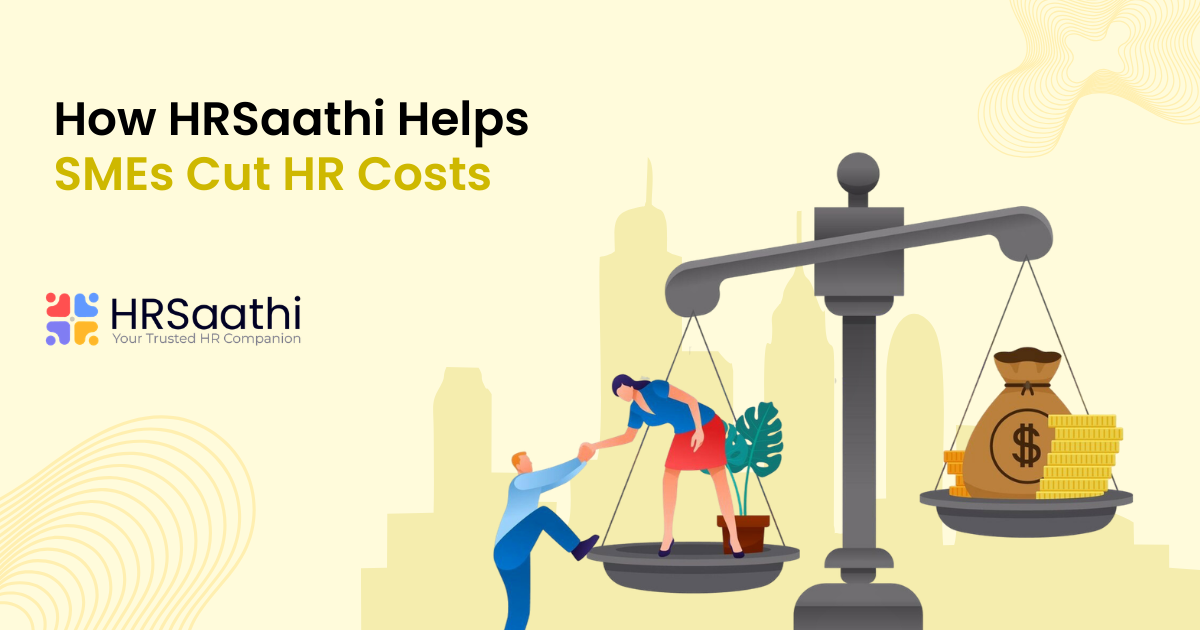
How HRSaathi Helps SMEs Cut HR Costs
For many small and medium-sized enterprises (SMEs), managing HR operations efficiently while controlling costs is a major challenge.
HRSaathi for Multi-Location Companies
Managing employees across multiple offices, branches, or project sites can quickly become complicated. This is where HRSaathi helps organizations simplify HR operations through a centralized HRMS platform.
Cost vs Benefits of HRMS Adoption: A Practical ROI Breakdown for Growing Businesses
For many growing businesses, adopting an HRMS often raises one major question: Is the investment worth it? While the upfront cost of HR software may seem significant, the long-term operational and financial benefits usually outweigh the expenses.
Excel vs HRMS: The Hidden Cost of Manual HR Management
Many growing companies still use Microsoft Excel to manage payroll, attendance, and employee records. At first, Excel appears affordable and flexible. However, when we compare Excel vs HRMS, the hidden cost of manual HR management becomes clear.
HRMS Features That Improve Productivity and Business Efficiency
In today’s fast-paced business environment, managing employees manually is no longer practical. Companies need structured systems that reduce administrative workload and improve operational efficiency. HRMS features that improve productivity help organizations automate HR processes, enhance employee engagement, and drive measurable business growth.
How HRMS Helps Hospitals Manage 24x7 Shift Staff Efficiently
Hospitals operate 24x7. From emergency admissions at 2 AM to early-morning surgeries, managing a round-the-clock workforce is one of the most complex challenges in healthcare. Without a structured system, shift conflicts, overtime disputes, and staff burnout can affect efficiency and patient care.
Employee Presence Tracking Without Micromanagement: A Smarter Approach for Modern Workplaces
As workplaces move toward hybrid and flexible work models, tracking employee presence is necessary. However, excessive monitoring damages trust and engagement. A modern, policy-driven HRMS approach ensures visibility without micromanagement.
Employee Self-Service Portal: Reduce HR Dependency and Increase Productivity
As organizations grow, HR teams often get overloaded with repetitive queries. An Employee Self-Service Portal (ESS) solves this challenge by giving employees direct access to routine HR tasks.
HRMS for Fast-Growing Companies: What to Expect
Fast-growing companies face a unique challenge: headcount increases faster than internal processes. What works for a 10-member team quickly breaks at 30 or 50 employees.
HRMS for Founders Who Do Not Have a Dedicated HR
Running a startup without a dedicated HR team is common in early and growth stages. Founders often juggle sales, operations, finance, and customer success.
How HRMS Creates HR Process Transparency
In today’s competitive business environment, transparency in HR operations is no longer optional — it’s essential. Companies that invest in a reliable Human Resource Management System (HRMS) often see a noticeable improvement in accountability, communication, and employee trust.
Top HR Challenges Indian Startups Face and How HRSaathi Solves Them
Indian startups move fast, but HR often lags behind. When people operations stay manual or fragmented, it directly impacts productivity, compliance, and retention.
HRMS for Managing On-Site and Field Employees in the Real Estate Sector
The real estate sector runs on people who rarely sit at desks. Managing this dynamic workforce using spreadsheets is inefficient and actively slows growth.
Choosing the Right HRMS for Small Business
For small businesses, managing people efficiently is just as important as managing sales or operations. A well-chosen HRMS helps bring structure and clarity.
The Role of HRSaathi in Remote Work Culture
Remote work culture is now a permanent reality for startups, SMEs, and growing organizations. While flexibility has increased, managing people remotely has become more complex.
2025 in Review: Why Indian Businesses Moved from Manual HR to HRSaathi
2025 was a turning point for Indian startups and small businesses. As teams grew and work became faster, manual HR systems could no longer keep up. This year clearly showed one thing: manual HR does not scale.
The Benefits of Using HRMS to Improve Organizational Performance
Managing people effectively is one of the biggest challenges for any organization. As teams grow, manual HR processes become time-consuming and error-prone. This is where a reliable HR software like HRSaathi helps organizations work smarter and perform better.
What Is a Standard Leave Policy in Indian Companies?
As organisations grow, one of the earliest and most important HR decisions is defining a clear and fair leave policy. Employees expect clarity, managers expect consistency, and HR teams must ensure compliance with applicable labour laws.
How Daily Status Updates in HRSaathi Improve Team Execution
In a fast-paced business environment, clarity and consistency are non-negotiable. Teams that communicate well execute better. This is exactly where the Daily Status Updates feature from HRSaathi delivers real impact.
Why Attendance & Timesheets in HRSaathi Is a Game-Changer for Indian SMEs
Managing attendance and timesheets manually using spreadsheets, paper punch clocks, or scattered leave registers remains a persistent operational bottleneck for many small and medium enterprises in India.
Why the "Documents Repository" from HRSaathi Matters
Fast-growing companies — especially startups and SMEs — quickly realize that manual HR documentation becomes unmanageable. HRSaathi's Documents Repository solves this by offering a centralized, cloud-based hub for all critical HR files.
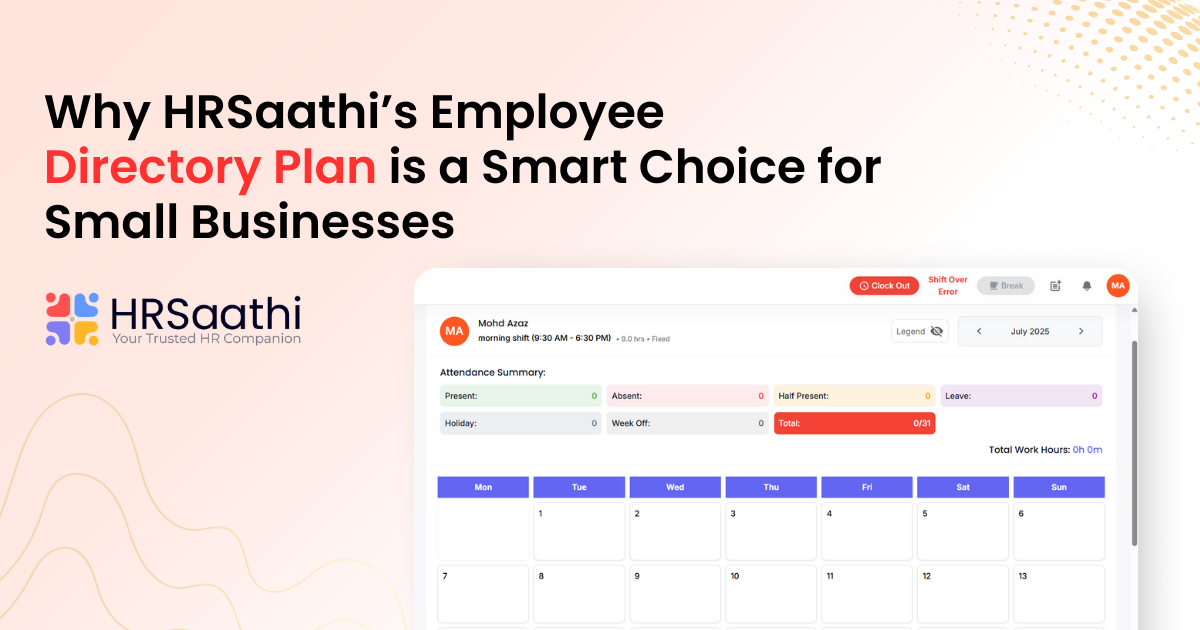
Why HRSaathi's Employee Directory Plan is a Smart Choice for Small Businesses
Managing human resources, even for compact teams, becomes messy fast. HRSaathi's Employee Directory changes the game by centralizing employee data and reducing operational friction — freeing up time, energy, and bandwidth for actual business growth.
Why "People Radar" Matters for Teams
HRSaathi's People Radar is a flagship capability that transcends traditional HR functionalities. It enables leaders to map, track, and understand their workforce with precision, positioning it as a must-have for modern teams operating in hybrid, remote, or field-driven environments.
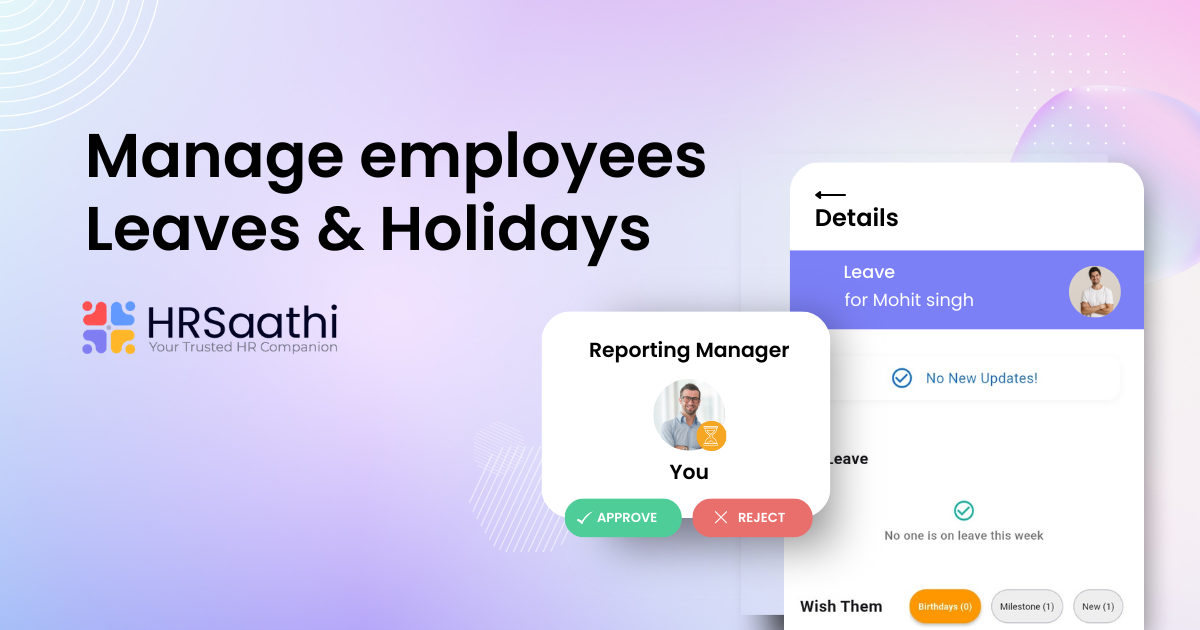
HRSaathi Leaves & Holidays: Simple, Transparent, and Easy for Every Team
Managing employee leaves and holidays is a routine HR function, yet it often becomes complicated when handled manually. HRSaathi solves this with a streamlined Leaves & Holidays module designed to keep everything organized, transparent, and easy for everyone.

By Popular Demand: The HRSaathi Free Plan Is BACK (and Better Than Ever)
We listened to you. After months of requests from founders and startup teams, the HRSaathi Free Plan is making a comeback with lifetime access for up to 10 users—no credit card required.
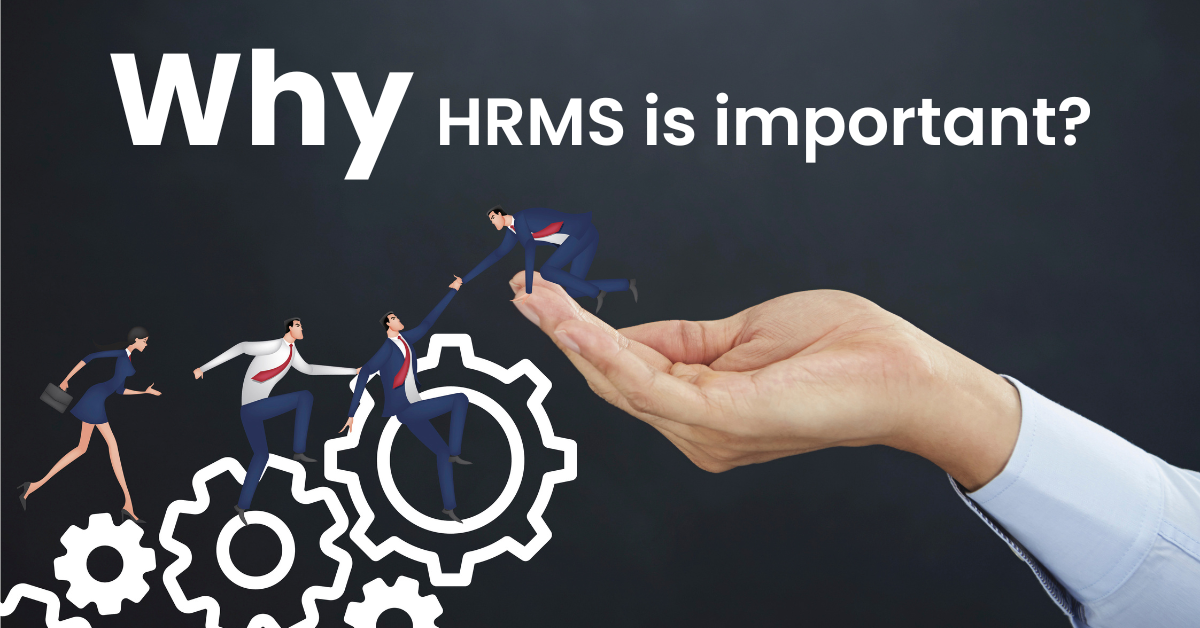
Why HRMS Is Important for Businesses
In today's competitive business landscape, managing human resources efficiently is no longer a luxury—it's a necessity. An HRMS is a transformative tool that helps businesses streamline operations, reduce costs, and create a better workplace for employees.
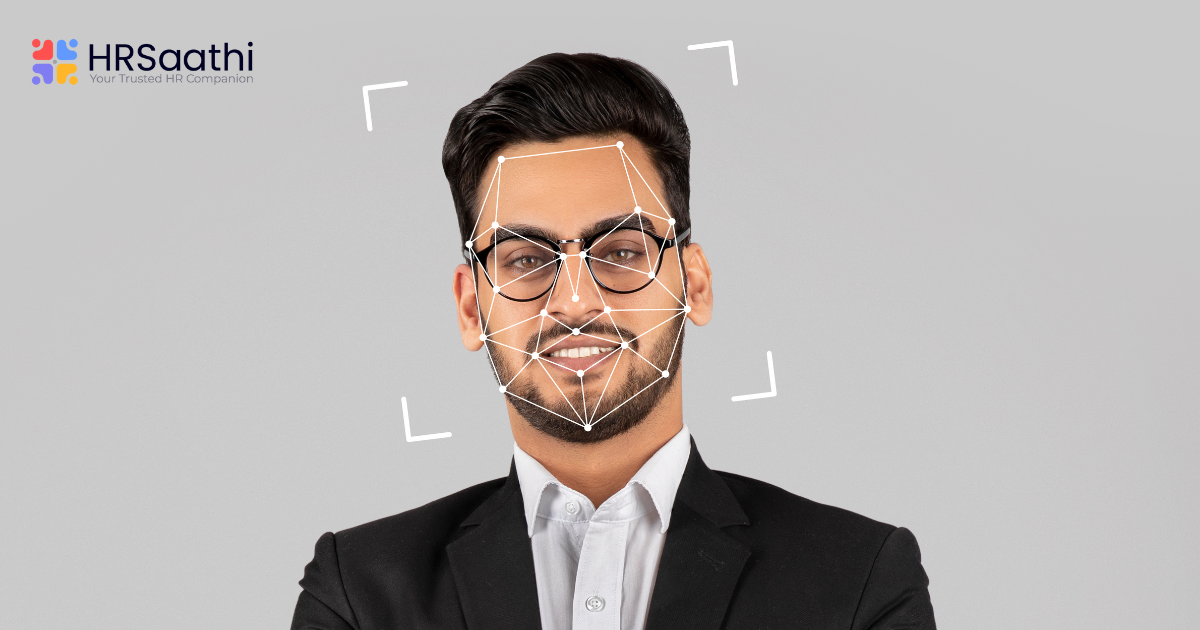
How HRSaathi Mirror Feature Is Revolutionizing Face Attendance for Modern Workplaces
In today's fast-moving digital workplaces, outdated attendance systems are costing businesses time, accuracy, and control. This is where Face attendance powered by the HRSaathi Mirror Feature is setting a new benchmark in smart workforce management.
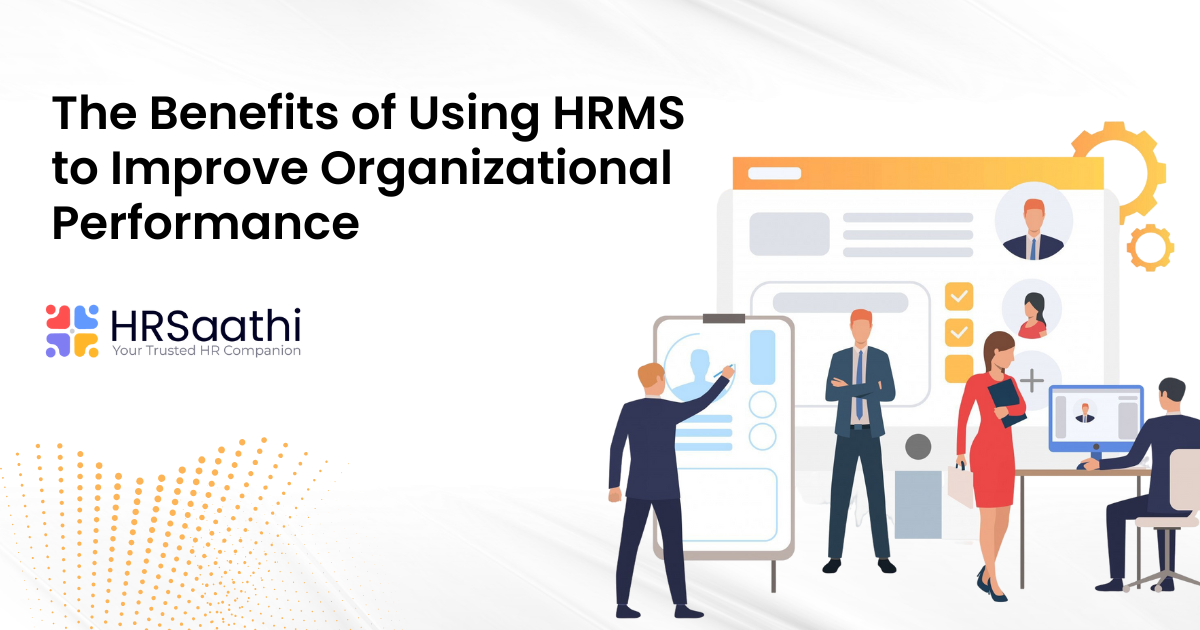
Why Do HR Departments Need HRSaathi?
The role of HR is no longer limited to attendance registers and payroll files. Modern HR teams are expected to drive employee engagement, improve culture, and support organizational growth.

How Automated Leave Management Enhances Productivity
Leave management has traditionally been one of the most challenging aspects of HR operations. Manual tracking through spreadsheets or paper-based methods often results in errors, delays, and employee dissatisfaction.
Why HRMS is Important?
In today's fast-paced business world, managing human resources efficiently is crucial for success. Human Resource Management Systems (HRMS) have revolutionized the way businesses handle HR operations, from recruitment to performance tracking and employee engagement.

Why Organizations Should Use Employee Time Clocking System
Ask any manager what takes up too much time, and you'll likely hear the same answer: tracking hours. Between misplaced timesheets, payroll errors, and the rise of remote work, it's no wonder businesses are looking for smarter solutions.

Compliance Checklist for Indian SMEs
A comprehensive guide to staying compliant with Indian labor laws and regulations for small and medium enterprises.